The Last Toast Before Adulthood
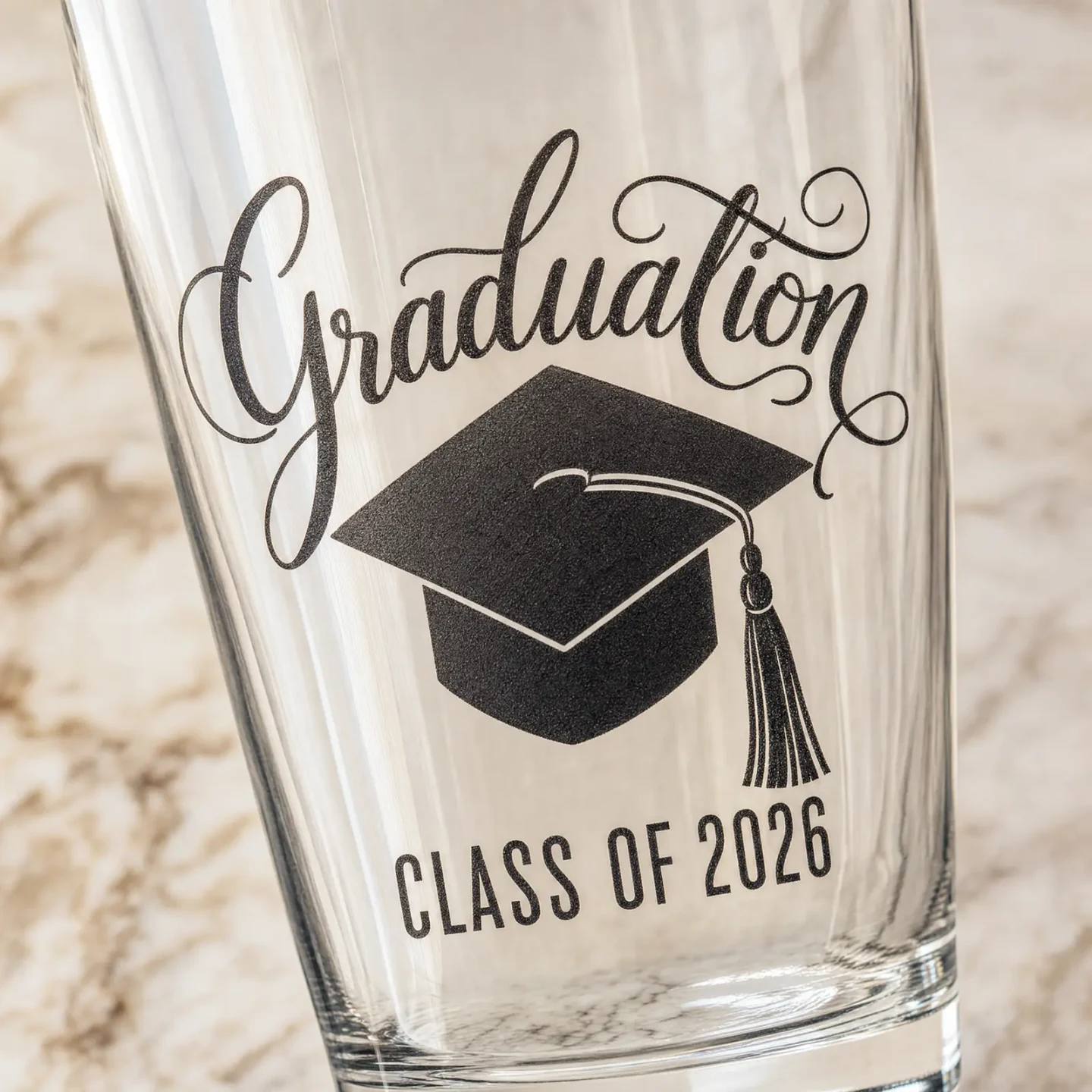
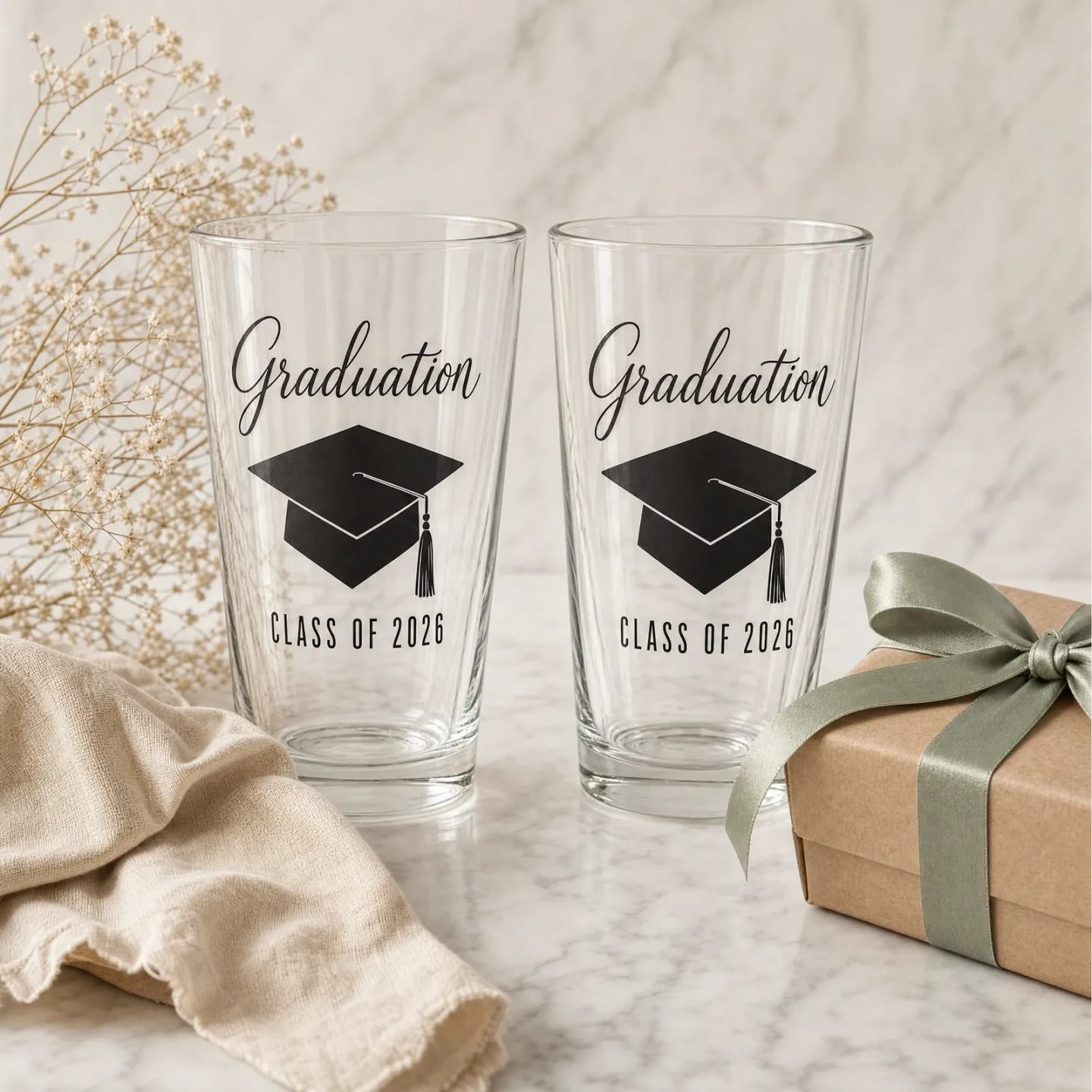
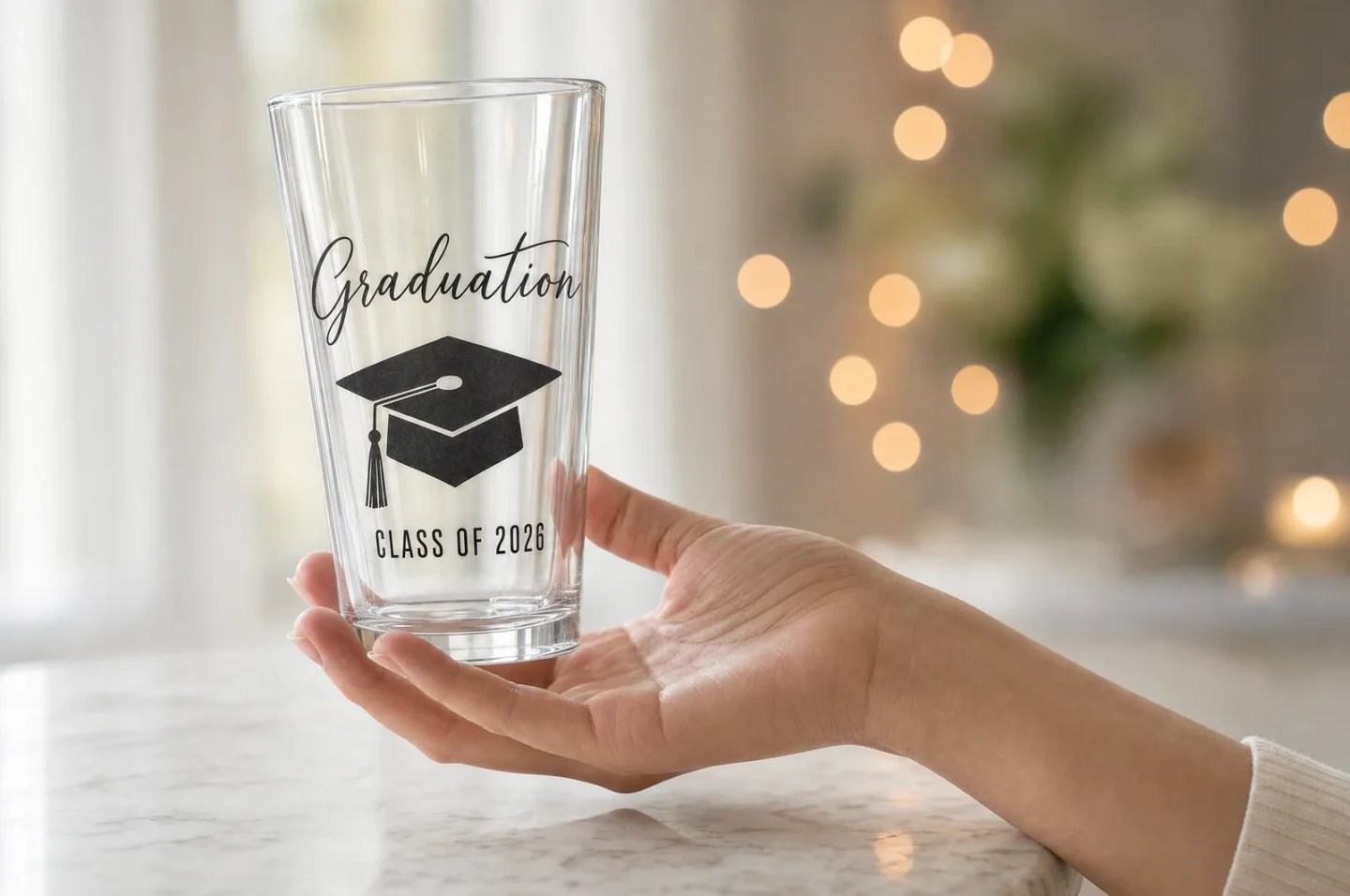
A personalized glass for the Class of 2026.
A soft tribute to the Class of 2026
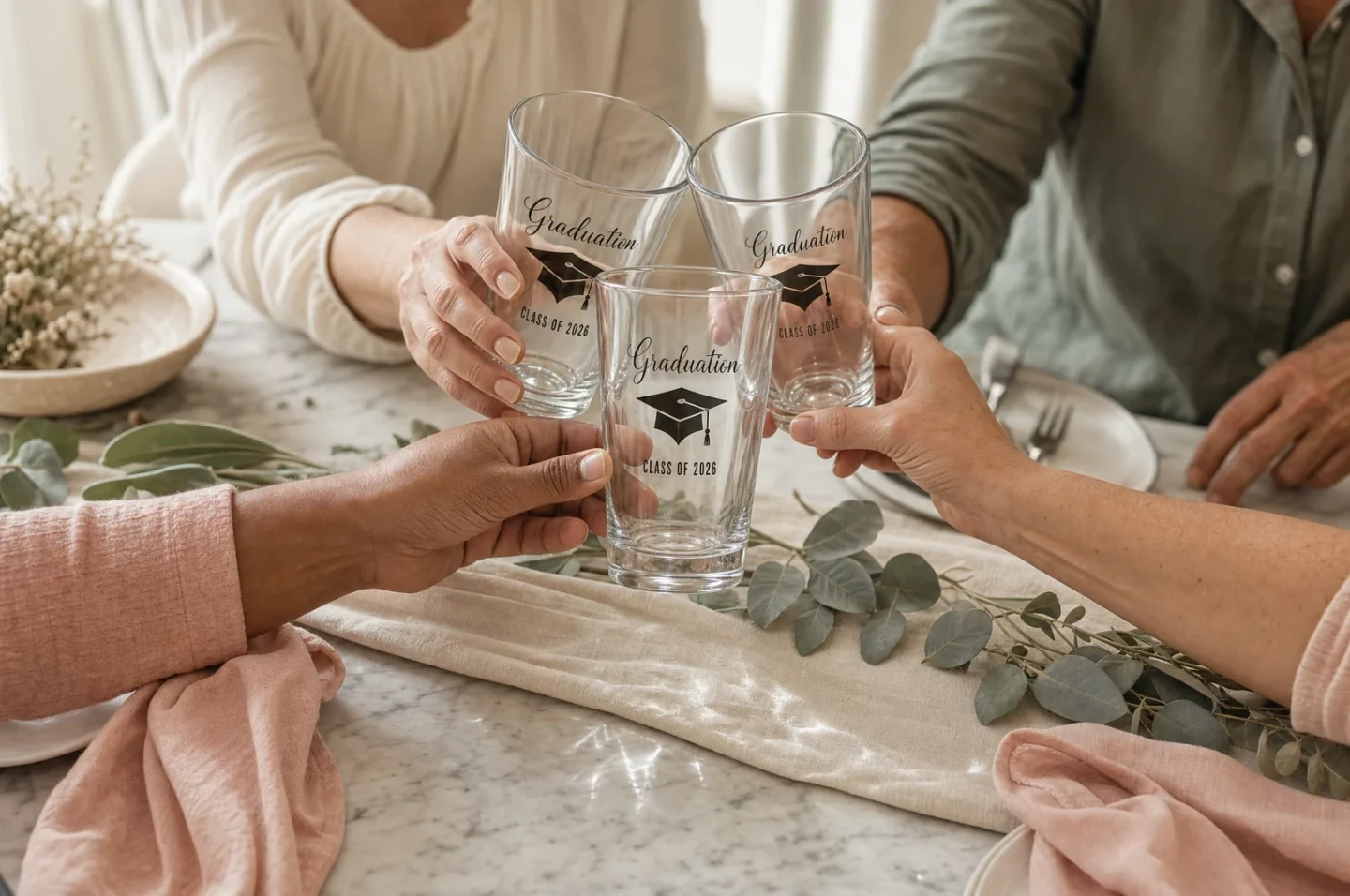
There's a moment, sometime between Pomp and Circumstance and the first slice of sheet cake, when someone you love raises a glass.
They look at the graduate — your daughter, your son, your sister, your friend — and they try to say something that holds it all. Four years. Late nights. The pandemic year that took freshman everything. The first apartment. The growing up.
The toast is too short for what they want to say. Most toasts are. So the words come out a little crooked, and a little teary, and somehow more beautiful for it.
Then the glass goes up. And it catches the light.
This is for the Class of 2026 — the seniors who started high school in masks, who lost prom once, who learned to be alone before they learned to be together. The college kids who walked into freshman dorms still figuring out who they were post-shutdown. The grad students who held it all together for six more years.
This is for them. And for the glass that holds the toast.
A short history of the graduation toast
The tradition is older than diplomas.
Long before American high schools existed, medieval European universities ended their courses of study with a commencement banquet — a formal meal where the graduating class was toasted by faculty, then by classmates, then by themselves. The first recorded commencement toast in English dates to Cambridge, 1426, where the graduating Bachelors of Theology raised pewter cups of small beer and said, in Latin, "to those who walked beside us."
Six hundred years later, the words are almost the same.
What changed is the glass. Pewter became silver. Silver became crystal. Crystal became the simple, clear pint glass — affordable enough that every family could keep one, sturdy enough that the engraving wouldn't fade through a decade of dishwashings (though we still recommend washing it by hand).
The pint glass we know today — straight-sided, slightly tapered, 16 ounces — was perfected in England in the 1730s. It was originally designed for pubs. But it found its way to graduations because of two things: it holds a proper toast, and it sits beautifully on a shelf when the toast is over.
That's really what a graduation glass is for. The toast lasts ninety seconds. The glass holds the memory for ninety years.
What the Class of 2026 has been through
They were thirteen and fourteen when the world closed.
They started ninth grade on Zoom, or behind plexiglass, or in hybrid schedules where half the class was a face on a screen. They missed their first homecomings. They learned algebra in their childhood bedrooms. They watched their older siblings graduate to empty parking lots and called it normal.
By the time they could go back to school in person, they were almost juniors. The friend groups that should have formed in freshman year had to form in catch-up time. They learned to be more careful with each other, and also more honest. They are, as a generation, less performative than the seniors who came before them. They mean what they say. They cried less easily, but more deeply.
And now they're graduating.
There is something quietly extraordinary about that. The seniors of 2026 are the first cohort to have walked through every stage of adolescence with the pandemic in the background. Their high school years — the four years that were supposed to be the loudest of their lives — were also the quietest in modern American memory.
So when you raise a glass to them, you're not just celebrating a diploma. You're celebrating someone who showed up, again and again, when the world wasn't sure how to.
What makes a toast worth holding onto
Most graduation toasts get said and forgotten. The good ones — the ones the graduate still remembers when she's thirty-five and standing in her own kitchen — share a few quiet things.
They name a specific thing
Not "you've come so far." Try "I remember when you were ten and you decided to write a novel in a green spiral notebook, and you actually finished it." Specifics are the language of love.
They name what they're proud of
Not just the achievement. The person. The way she stayed kind through the hard year. The way he made his little sister laugh when she was scared. Be honest about what you're proud of, even if it sounds small.
They hold the future loosely
Don't tell the graduate what they should become. Tell them what they already are. The future will arrange itself around that.
They end on something small
The best toasts don't end with a big swelling sentence. They end with something like:
"We're proud of you. Go eat the cake."
Or:
"Don't lose this glass. It holds something we love."
That's the kind of line that gets remembered.
A few things worth engraving on the glass
If you're shopping for a graduation gift and you have 26 characters to spend (the standard engraving limit on a pint glass), here are the ones we see most — and a few we wish more people would try.
Classic
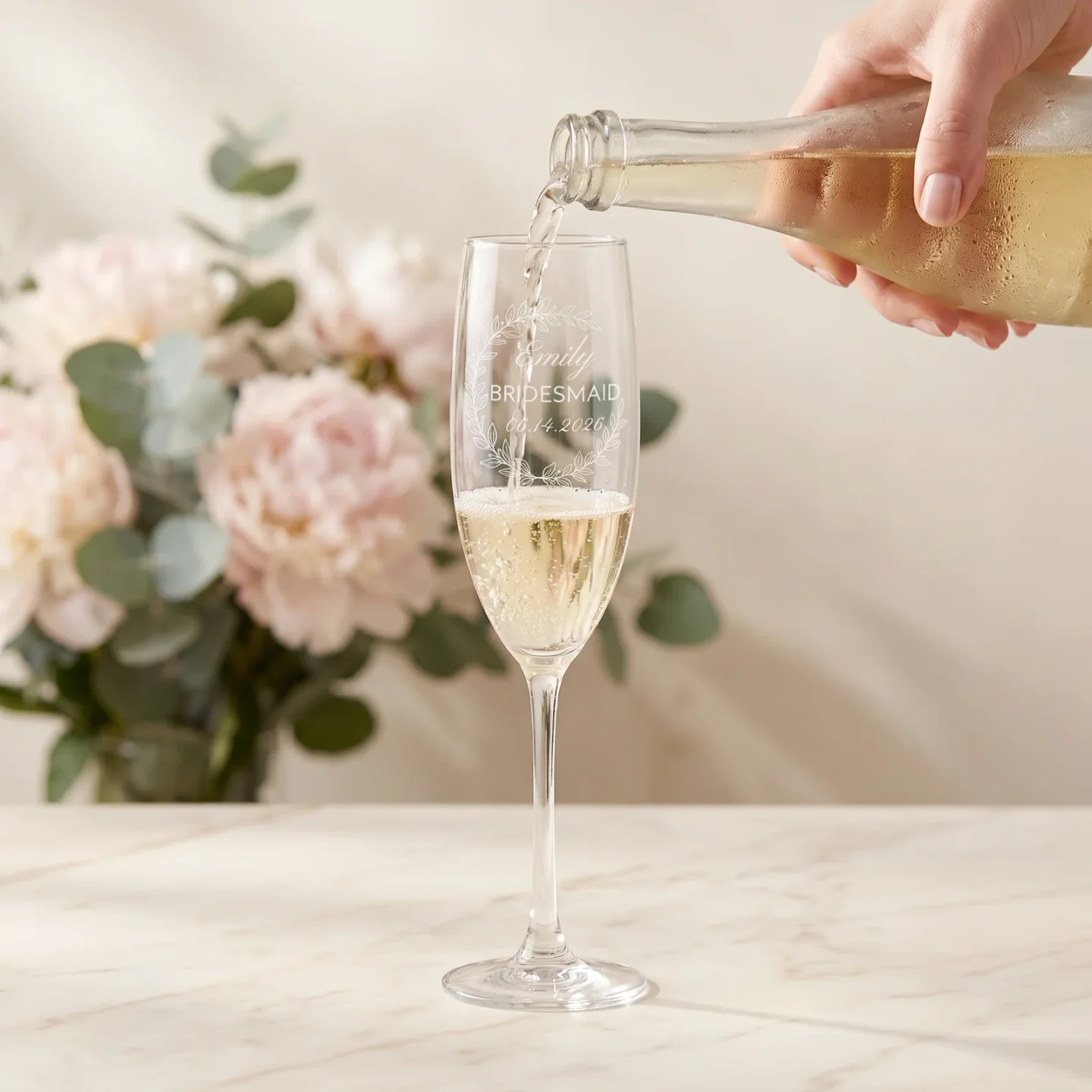
- Name + Class of 2026 — Emily · Class of 2026
- Name + degree — Marcus, B.A. 2026
- Name + graduation date
Sentimental
- "To the next chapter" — 21 characters, fits with a name initial
- "Started 2020. Made it." — 23 characters, only the Class of '26 understands
- "Quietly proud of you." — 22 characters, said by every parent
- "Onward, gently." — 16 characters, our personal favorite
From a sibling or friend
- "You did the thing." — 19 characters
- "Same time, next life." — 22 characters, for the inside joke
- "Look what you did." — 19 characters
From a parent
- "Always your soft place." — 24 characters
- "We watched you bloom." — 22 characters
- "Made by love. — Mom & Dad" — 26 characters exactly
Why the glass matters more than the gift card
There's a soft truth about graduation presents: most of them disappear within a year.
The gift card gets spent. The cashier check gets deposited. The new headphones become this year's headphones, then next year's drawer. Even the framed diploma usually ends up in a closet by year five.
But the toasting glass stays.
It sits on a shelf in the first apartment. Then the second apartment. It survives the move to graduate school, and the breakup, and the first real job. By the time the graduate has her own kitchen, the glass has become something quietly different — not a graduation gift anymore, but a marker of who she was when she was twenty-two.
That's the kind of object worth giving. Not the loudest gift on the table. The one that's still on the shelf in 2046.
A small ritual for the Class of 2026
If you're planning a graduation party — or just a quiet family dinner on the night they walk — try this:
Pour something into the glass before the graduate arrives. Sparkling water, cider, beer, champagne, lemonade, whatever fits the family. Don't tell them why.
When everyone is seated, hand them the glass. Tell them you have a toast to make.
Make the toast specific. Name a real moment. Tell them what you're proud of. Hold the future loosely. End on something small.
Then raise your own glass — any glass, it doesn't matter — and tell them to drink first.
This is what Cambridge did in 1426. This is what every family has done in some form since. The words change. The glass changes. The catch in your throat doesn't.
And when the party is over, the glass goes home with them. Onto the first shelf they own. Then the second. For the rest of their life, sometimes, when they pick it up to wash it, they'll remember the toast.
That's the whole point.
Order two.
One for the graduate. One for the person making the toast. Years from now, when they meet for dinner in the graduate's own kitchen, they'll set the table with both — and remember the night the toast was first made.
A glass that holds the toast.
Personalized Graduation Pint Glass · 16 oz · Engraved in 3–5 days.
Class of 2026. Made softly.
SAVE THIS FOR THE TOAST
- Pin this for your Graduation Party board
- Save it to Class of 2026 Gift Ideas
- Send it to a parent who needs help with the toast
- Bookmark it for the next graduation in your family
Sentimental gift ideas for the moments that matter — from the proposal to the toast.
PDF · Sent to your inbox · Free forever
No noise. Unsubscribe any time.